
- Psychology
- When Energy and Emotion Misalign: 10 Warning Signs of ADHD, Narcolepsy, and Childhood Depression
- Category: Psychology. This article outlines ten key warning signs that may indicate ADHD, narcolepsy, or childhood depression. Written for parents, caregivers, and educators, it explains observable behaviors, how they differ, and why early attention matte
When Energy and Emotion Misalign: 10 Warning Signs of ADHD, Narcolepsy, and Childhood Depression
Children show a wide range of normal behavior, but sometimes patterns emerge that suggest something deeper is happening. Whether it’s restless attention, unexpected sleep episodes, or persistent low mood, recognizing early signs helps families get support sooner. Below are ten signs that commonly point to attention-deficit/hyperactivity disorder (ADHD), narcolepsy, or childhood depression—along with brief explanations and gentle guidance about next steps.
1. Persistent Inattention or Distractibility
Children with ADHD often struggle to sustain attention on tasks appropriate for their age. They may start activities and leave them unfinished, miss details in schoolwork, or seem to listen but not follow instructions. Occasional inattention is normal, but persistent and cross-situational inattention that affects learning or relationships is a sign to consider professional evaluation.
2. Excessive Fidgeting or Restlessness
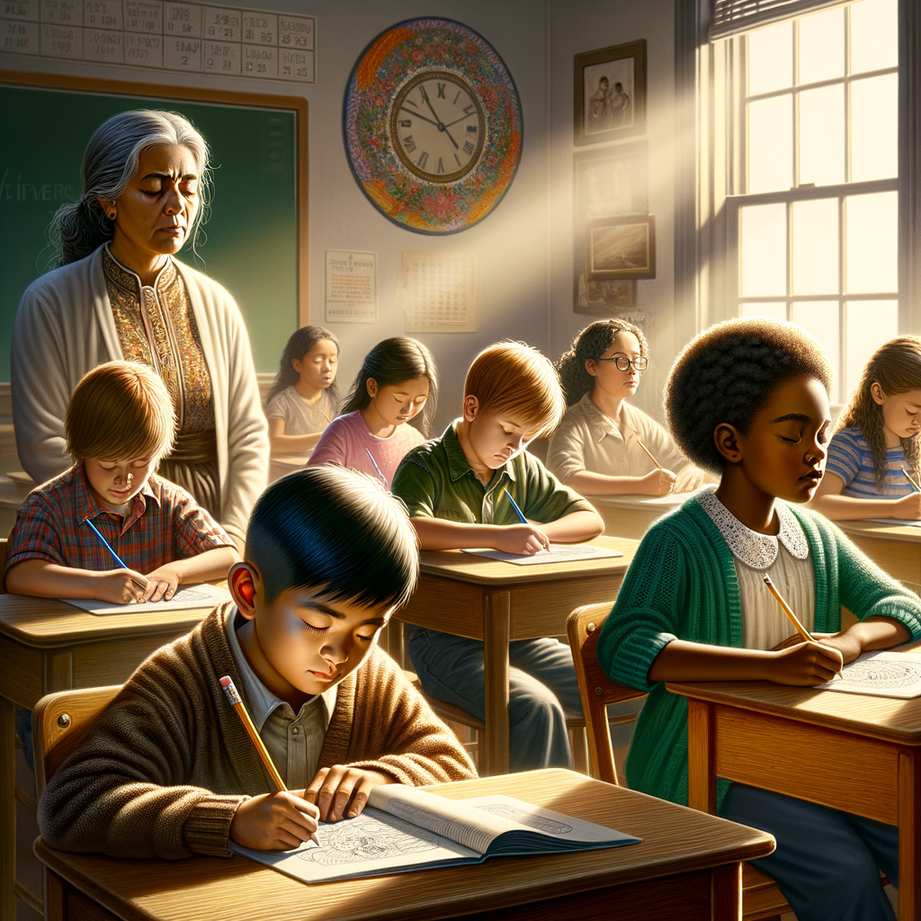
One of the hallmarks of ADHD is constant movement: tapping feet, inability to stay seated, or a sense of internal restlessness. Younger children may seem to have boundless energy; older children may report a feeling of being driven. If these behaviors interfere with classroom routines or social connections, it’s worth discussing with a pediatrician or mental health professional.
3. Sudden, Irresistible Sleep Episodes
Narcolepsy often presents with unexpected sleep attacks—brief, uncontrollable episodes of falling asleep during the day. A child may nod off during class, while playing, or even mid-conversation. These episodes are different from ordinary tiredness: they can be sudden and disproportionate to sleep obtained the previous night. Keep a sleep diary and seek medical assessment if this occurs.
4. Extreme Daytime Sleepiness Despite Apparent Sleep
Some children who get what seems like enough sleep at night still exhibit crippling daytime sleepiness. This can look like lethargy, slow responses, or frequent dozing. Narcolepsy and some mood or medical conditions can cause this pattern; a sleep study or specialist consultation can help identify causes.
5. Dramatic Shifts in Mood or Irritability
While mood swings can be part of growing up, persistent irritability, anger outbursts, or tearfulness that last for weeks and affect daily functioning may suggest depression—or, in some cases, ADHD-related frustration. Notice whether the child’s mood change is new, severe, and impacts school and relationships.
6. Loss of Interest in Previously Enjoyed Activities
A key sign of childhood depression is anhedonia—the loss of interest or pleasure in activities that used to be enjoyable. If a child withdraws from play, avoids friends, or no longer wants to participate in hobbies, it’s important to listen with curiosity and consider a mental health evaluation.
7. Academic Decline or Frequent Mistakes
Dropping grades, incomplete assignments, or errors due to carelessness can result from inattention (ADHD), severe sleepiness (narcolepsy), or low motivation and concentration (depression). Observing whether problems are primarily attention-related, sleep-related, or mood-related guides the next steps.
8. Social Withdrawal or Changes in Peer Relationships
Children who withdraw, avoid peers, or suddenly lose friends may be experiencing depression, anxiety, or the social consequences of ADHD symptoms. Some children with narcolepsy also withdraw because sleep episodes or fatigue make social participation difficult. Gentle conversations and support from school can make a big difference.
9. Unexplained Physical Complaints
Headaches, stomachaches, or fatigue without clear medical causes are common in children with mood disorders and sleep problems. These somatic symptoms often reflect distress. A thorough medical check and attentive listening to emotional concerns are both important.
10. Frequent Accidents or Clumsiness
Excessive daydreaming, sudden sleep episodes, or impulsivity can increase the risk of bumps, falls, or accidents. If a child seems unusually clumsy or has repetitive incidents tied to attention lapses or sleep, consider assessments that explore attention and sleep health.
Seeing one or two of these signs does not mean a child has a clinical disorder. Context matters: how long the behavior has lasted, whether it’s present across settings (home, school, social activities), and how much it impairs daily life. A trusted pediatrician, school counselor, or child psychologist can gather the history, observe patterns, and recommend screening, testing, or referrals to specialists in sleep medicine or child psychiatry when needed.
Practical steps families can take now include keeping simple logs of sleep, mood, and behaviors; communicating with teachers; prioritizing consistent sleep routines; and creating calm, structured environments that support focus. Encourage small wins—short, achievable tasks and routines that build confidence.
Most importantly, remember there is hope. Early recognition and support often lead to meaningful improvement. Treatments range from behavioral strategies and school accommodations to therapy, medication, and sleep-focused interventions when appropriate. Seeking help is a sign of strength and care, not failure. If you’re worried, reach out to a healthcare provider—doing so can open a path to clearer understanding and kinder days for both the child and the family.
If you feel overwhelmed, ask for support for yourself too. Parenting a child with complex needs can be draining; connecting with support groups, trusted friends, or a counselor can restore resilience so you can better help your child.
When energy, attention, or mood feel out of sync, you do not have to navigate it alone. With curiosity, compassion, and timely help, children can thrive and families can find effective strategies that bring back balance and hope.
Advertisement
Read this next
-

- Psychology
- Hidden Signals: 10 Signs That ADHD, Narcolepsy, or Childhood Depression May Be Present
- Psychology; This article explains ten common signs that may indicate ADHD (attention-deficit/hyperactivity disorder), narcolepsy, or childhood depression. Written for parents, teachers, and caregivers, it clarifies overlapping symptoms, highlights when to
-
- Psychology
- Hidden Signals: 10 Red Flags for ADHD, Narcolepsy, and Childhood Depression
- Category: Psychology. This article outlines the top ten warning signs for three often-misunderstood childhood conditions—ADHD, narcolepsy, and childhood depression—offering clear, practical descriptions, compassionate guidance, and encouragement to seek p
-
- Psychology
- Hidden Signals: 10 Early Signs of ADHD, Narcolepsy, and Childhood Depression Every Caregiver Should Know
- This article outlines ten early warning signs that may point to attention-deficit/hyperactivity disorder (ADHD), narcolepsy, or childhood depression. Written for caregivers and educators, it explains observable behaviors, clarifies common misconceptions,
-
- Psychology
- Is It More Than Moodiness? 10 Signs of ADHD, Narcolepsy, and Childhood Depression
- This article identifies ten common signs that may indicate ADHD, narcolepsy, or childhood depression. Aimed at parents, caregivers, and educators, it explains behaviors to watch for, emphasizes the importance of early recognition, and offers encouragement


Advertisement
Related Article
-
- Psychology
- Attention, Sleep, Mood: 10 Telltale Signs of ADHD, Narcolepsy, and Childhood Depression
-
- Psychology
- Hidden Signals: 10 Signs of ADHD, Narcolepsy, and Childhood Depression You Shouldn't Ignore
-
- Psychology
- When Minds Wander and Hearts Withdraw: 10 Signs of ADHD, Narcolepsy, and Childhood Depression
-
- Psychology
- Quiet Signals: 10 Early Signs of ADHD, Narcolepsy, and Depression in Children
-
- Psychology
- Spotting Signals: 10 Key Signs of ADHD, Narcolepsy, and Childhood Depression
-
- Psychology
- When Restlessness, Sleepiness or Sadness Hide: 10 Signs of ADHD, Narcolepsy & Childhood Depression




Advertisement