
- Psychology
- Quiet Signals: 10 Early Signs of ADHD, Narcolepsy, and Depression in Children
- This article outlines ten common early signs that may indicate ADHD, narcolepsy, or depression in children. It explains each sign in plain language, links behaviors to possible conditions, and offers practical steps for parents and caregivers—emphasizing
Quiet Signals: 10 Early Signs of ADHD, Narcolepsy, and Depression in Children
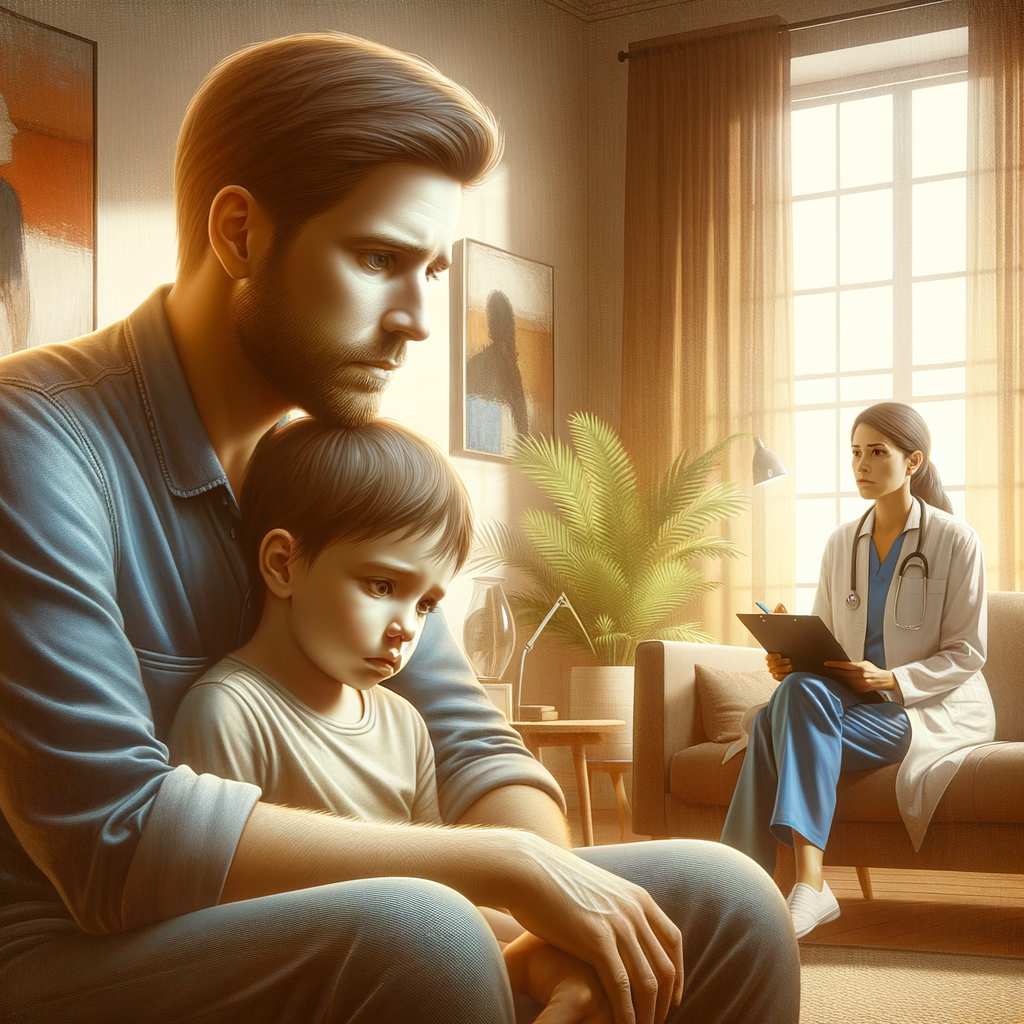
Children rarely give a single, obvious clue when something is wrong. Instead, they send quiet signals—small shifts in attention, sleep, or mood—that adults can miss or dismiss. Recognizing those signals early can make a big difference. Below are ten signs that could point to attention-deficit/hyperactivity disorder (ADHD), narcolepsy, or childhood depression. Each sign includes what you might observe, which condition it commonly relates to, and gentle next steps to take. Remember: noticing a sign is not a diagnosis. It’s an invitation to learn, support, and seek appropriate help.
1. Persistent Inattention or Daydreaming
What you might see: Your child seems regularly distracted during class, loses track of tasks, or drifts off into daydreams even in engaging settings. Homework is frequently unfinished despite effort.

Possible link: Often associated with the inattentive presentation of ADHD, but can also be a symptom of depression or, less commonly, sleep disorders that impair daytime focus.
Next step: Keep gentle notes about when these episodes happen and any patterns (time of day, after activities, or following poor sleep). Share this information with your pediatrician or a child mental health specialist.
2. Hyperactivity or Restlessness
What you might see: Fidgeting, being unable to sit through meals or classes, talking excessively, climbing or running at unsuitable times. These behaviors go beyond typical childhood energy.
Possible link: Classic signs of hyperactive/impulsive ADHD. In younger children they can also be a response to anxiety or mood changes.
Next step: Create structured routines and brief movement breaks; consult a professional for behavioral strategies and assessment.
3. Sudden, Overwhelming Sleep Attacks or Excessive Daytime Sleepiness
What you might see: Your child falls asleep in the middle of activities, at school, or during conversations. Naps are frequent and hard to resist, regardless of nighttime sleep.
Possible link: This pattern suggests narcolepsy or other sleep disorders rather than typical tiredness.
Next step: Track sleep patterns and daytime episodes, and seek evaluation from a pediatrician or sleep specialist. Untreated sleep disorders can impact learning and mood, but treatments exist.
4. Frequent Mood Changes and Irritability
What you might see: Rapid mood swings, increased irritability, frequent meltdowns, or withdrawal from family interactions that go beyond developmental phases.
Possible link: Mood instability can be part of depression, and it may also appear with ADHD or as a result of chronic sleep disruption.
Next step: Validate feelings, maintain calm routines, and consult a mental health professional if irritability is persistent or impacts daily life.
5. Loss of Interest in Favorite Activities
What you might see: A child who once loved drawing, playing soccer, or socializing now avoids those activities, seems indifferent, or has low energy for play.
Possible link: A classic sign of depression in children is diminished interest or pleasure in activities they used to enjoy.
Next step: Gently explore what has changed, invite small, pressure-free engagement, and seek an evaluation if the withdrawal persists for weeks.
6. Difficulty Waking or Morning Confusion
What you might see: Extreme difficulty rising in the morning, long periods of grogginess, or confusion upon waking despite sufficient time in bed.
Possible link: Can be associated with narcolepsy or other sleep disorders; may also worsen attention problems during the day.
Next step: Keep a sleep diary and consult a pediatric sleep specialist; improving sleep hygiene and medical evaluation can make a large difference.
7. Repetitive or Automatic Behaviors
What you might see: Sudden muscle twitches, repetitive movements, or brief automatic behaviors like staring spells or brief loss of responsiveness.
Possible link: While some repetitive behaviors occur with ADHD, sudden staring spells may indicate narcoleptic episodes (cataplexy or sleep-related events) or seizure activity—urgent evaluation is essential.
Next step: Document occurrences and seek prompt medical assessment to rule out neurological conditions.
8. Declining Academic Performance
What you might see: Grades slipping, difficulty completing classwork, or frequent teacher concerns about attention or sleepiness at school.
Possible link: Any of these conditions—ADHD, narcolepsy, or depression—can impair concentration and learning.
Next step: Collaborate with teachers to gather observations, request classroom accommodations if needed, and pursue a comprehensive assessment.
9. Changes in Appetite or Weight
What you might see: Noticeable increase or decrease in appetite, changes in weight, or a sudden disinterest in food.
Possible link: Appetite changes can accompany depression; some medications for ADHD also affect appetite—so context matters.
Next step: Monitor patterns, discuss dietary changes with a pediatrician, and consider mental health evaluation if appetite change is accompanied by low mood or other symptoms.
10. Expressions of Hopelessness or Physical Complaints Without Clear Cause
What you might see: Verbal hints like "nobody cares," persistent complaints of stomachaches or headaches with no medical cause, or talking about being "tired of everything." Even casual comments deserve attention.
Possible link: Persistent physical complaints and expressions of hopelessness are red flags for depression and require careful, compassionate attention.
Next step: Take comments seriously, ask open-ended questions, reassure the child, and seek immediate mental health support if there are any mentions of self-harm.
What You Can Do Now
Trust your observations and instincts. Start by keeping a calm, factual log of behaviors: when they happen, their duration, and possible triggers. Share these notes with your pediatrician, teachers, or a child psychologist. Early assessment can lead to interventions—behavioral strategies, sleep treatment, school supports, or therapy—that restore daily functioning and hope.
Encouragement and Self-Care
Seeing signs in your child can feel daunting, but remember: these are signals, not verdicts. Children are resilient, and with understanding, timely help, and compassionate support, many families find clear paths forward. Take care of yourself too—parenting through uncertainty is stressful. Lean on friends, support groups, and professionals so you can show up steady for your child.
Finally, if you ever worry about safety, self-harm, or severe behavioral changes, seek immediate help from emergency services or crisis lines. You are not alone in this; help exists, and recovery is possible with the right support.
Advertisement
Read this next
-

- Psychology
- Hidden Signals: 10 Signs That ADHD, Narcolepsy, or Childhood Depression May Be Present
- Psychology; This article explains ten common signs that may indicate ADHD (attention-deficit/hyperactivity disorder), narcolepsy, or childhood depression. Written for parents, teachers, and caregivers, it clarifies overlapping symptoms, highlights when to
-
- Psychology
- Hidden Signals: 10 Red Flags for ADHD, Narcolepsy, and Childhood Depression
- Category: Psychology. This article outlines the top ten warning signs for three often-misunderstood childhood conditions—ADHD, narcolepsy, and childhood depression—offering clear, practical descriptions, compassionate guidance, and encouragement to seek p
-
- Psychology
- Hidden Signals: 10 Early Signs of ADHD, Narcolepsy, and Childhood Depression Every Caregiver Should Know
- This article outlines ten early warning signs that may point to attention-deficit/hyperactivity disorder (ADHD), narcolepsy, or childhood depression. Written for caregivers and educators, it explains observable behaviors, clarifies common misconceptions,
-
- Psychology
- Is It More Than Moodiness? 10 Signs of ADHD, Narcolepsy, and Childhood Depression
- This article identifies ten common signs that may indicate ADHD, narcolepsy, or childhood depression. Aimed at parents, caregivers, and educators, it explains behaviors to watch for, emphasizes the importance of early recognition, and offers encouragement




Advertisement
Related Article
-
- Psychology
- Attention, Sleep, Mood: 10 Telltale Signs of ADHD, Narcolepsy, and Childhood Depression
-
- Psychology
- Hidden Signals: 10 Signs of ADHD, Narcolepsy, and Childhood Depression You Shouldn't Ignore
-
- Psychology
- When Minds Wander and Hearts Withdraw: 10 Signs of ADHD, Narcolepsy, and Childhood Depression
-
- Psychology
- Quiet Signals: 10 Early Signs of ADHD, Narcolepsy, and Depression in Children
-
- Psychology
- Spotting Signals: 10 Key Signs of ADHD, Narcolepsy, and Childhood Depression
-
- Psychology
- When Restlessness, Sleepiness or Sadness Hide: 10 Signs of ADHD, Narcolepsy & Childhood Depression





Advertisement