
- Psychology
- When Restlessness, Sleepiness or Sadness Hide: 10 Signs of ADHD, Narcolepsy & Childhood Depression
- This article outlines ten key signs that may indicate ADHD, narcolepsy, or childhood depression in young people. It helps caregivers and educators recognize early warning signals, offers gentle guidance on next steps, and emphasizes the importance of comp
Understanding the Signs: Why Awareness Matters
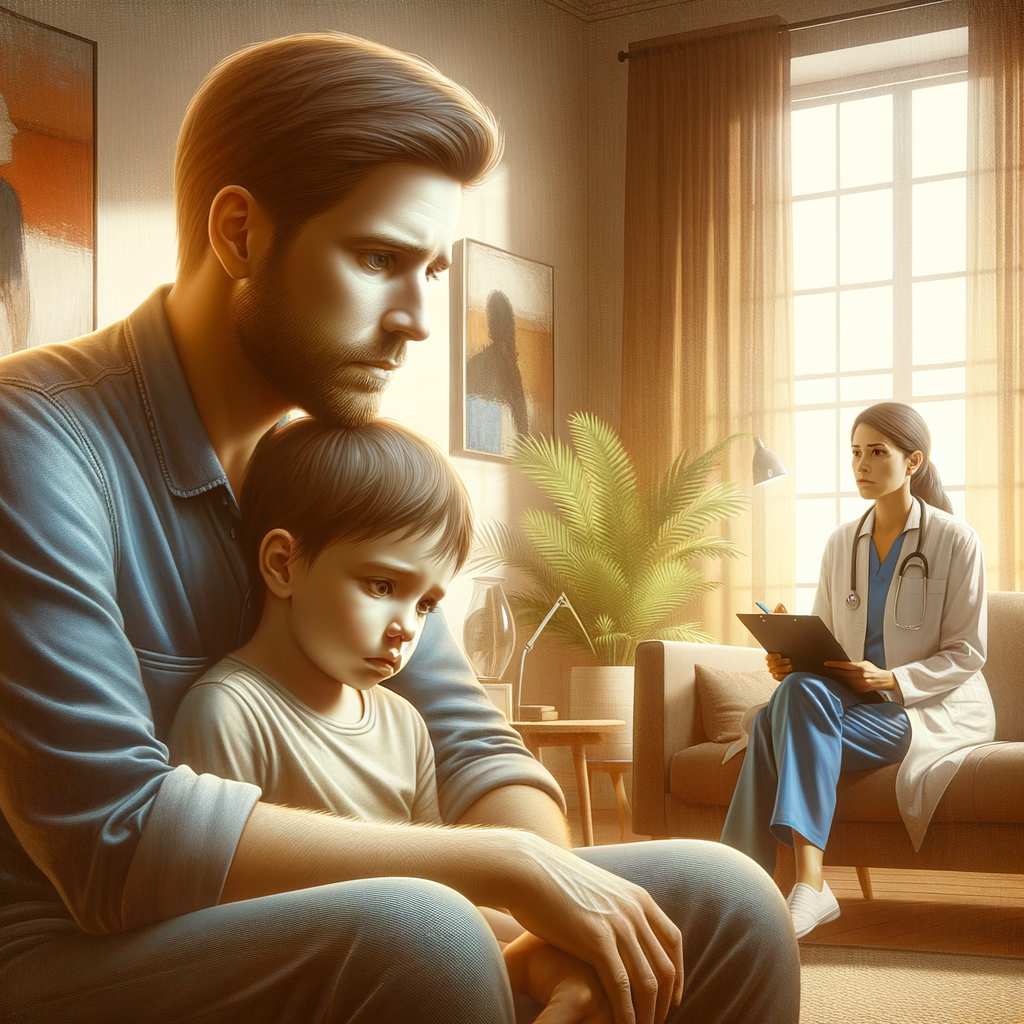
Children often show behaviors that come and go, but persistent patterns of restlessness, excessive sleepiness, or prolonged low mood deserve attention. ADHD (attention-deficit/hyperactivity disorder), narcolepsy, and childhood depression are different conditions but can overlap in appearance and impact. Recognizing the signs early—without judgment—opens the door to support, treatment, and hope.
Sign 1: Constant Inattention and Daydreaming
When a child regularly struggles to focus on tasks appropriate for their age—forgetting instructions, losing track of conversations, or appearing to drift away—this can be a core sign of ADHD. In classrooms or at home, these children may seem capable but inconsistent, completing some activities well and others not at all. Persistent inattention that affects learning or relationships warrants evaluation.
Sign 2: Excessive Restlessness or Impulsivity
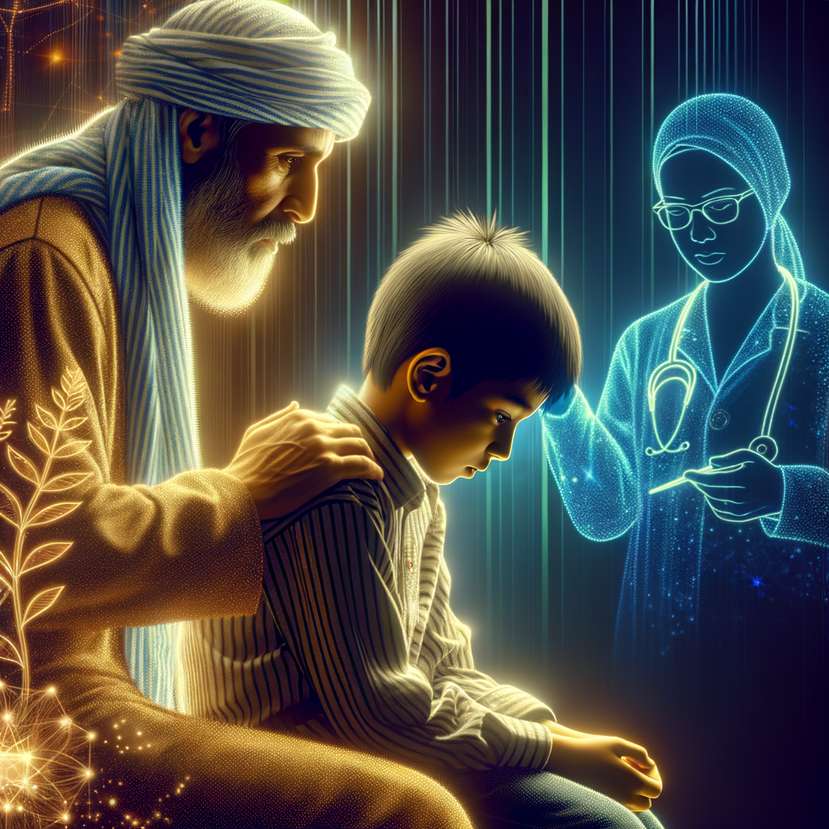
Children with ADHD may fidget, leave their seats often, interrupt others, or act without considering consequences. These behaviors can be mistaken for willful misbehavior, but they often come from difficulty regulating activity and impulse control. Supportive strategies and professional assessment can help transform daily struggles into manageable routines.
Sign 3: Sudden, Overwhelming Sleep Attacks
Excessive daytime sleepiness that appears suddenly—where a child nods off during quiet activities, in class, or even during play—may point toward narcolepsy rather than ordinary tiredness. These sleep episodes can be unpredictable and disruptive, and they are different from the normal variability of childhood energy levels.
Sign 4: Cataplexy-like Episodes or Weakness with Strong Emotion
A less common but distinctive sign of narcolepsy is the sudden loss of muscle tone triggered by laughter, surprise, or strong emotion—children may slump, drop objects, or briefly collapse while fully conscious. Any episode of sudden weakness or collapse should be evaluated promptly by a medical professional.
Sign 5: Fragmented Night Sleep or Unrefreshing Rest
Children with narcolepsy often experience poor-quality nighttime sleep despite being very sleepy during the day. Parents might notice frequent awakenings, nightmares, or a child who still seems tired after a long night’s sleep. A sleep specialist can help determine whether a sleep disorder is present.
Sign 6: Persistent Low Mood or Irritability
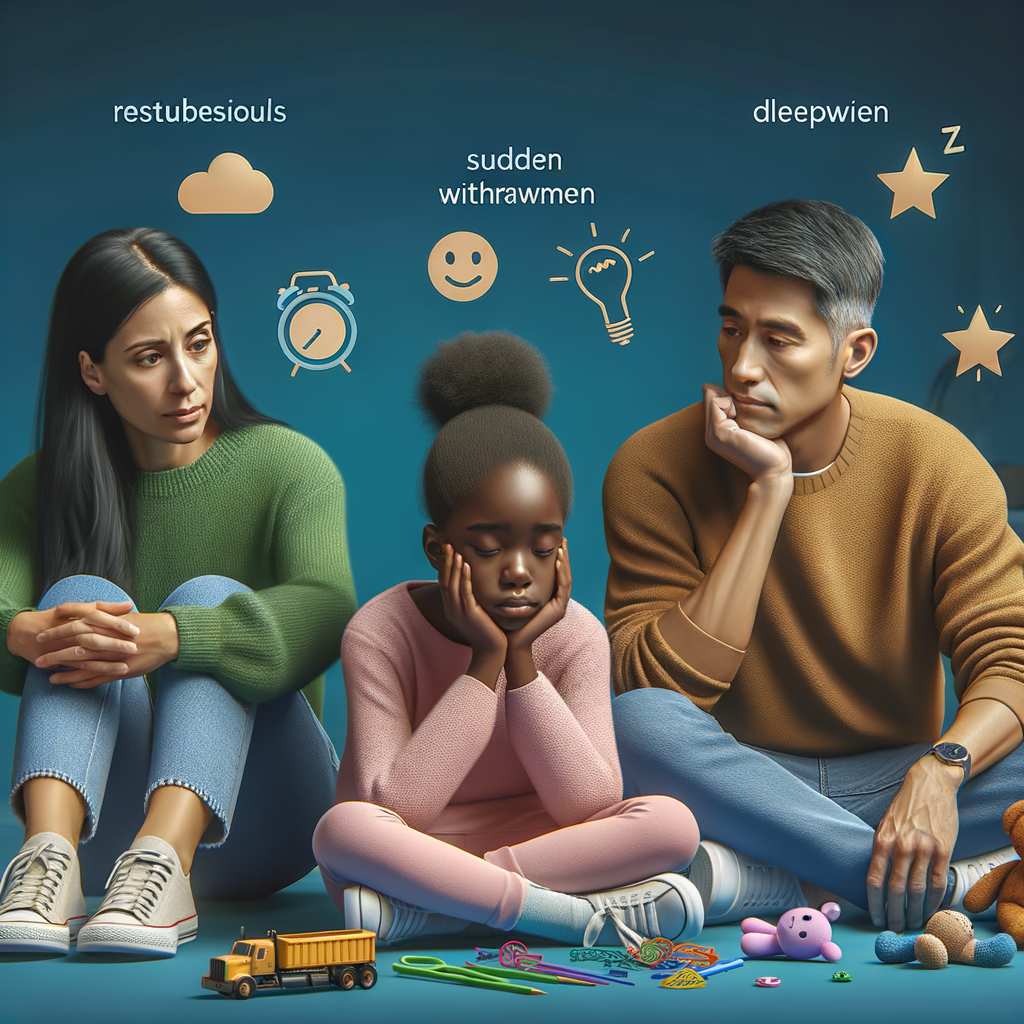
Prolonged sadness, frequent tears, a child who seems more irritable than usual, or mood that doesn't improve with comfort may signal childhood depression. Young children often show depression through crankiness, clinginess, or regression in behavior rather than quiet sadness, so changes in typical emotional patterns are important to note.
Sign 7: Loss of Interest or Joy in Activities
A marked decline in interest in play, hobbies, or socializing—things that used to bring pleasure—can be a strong indicator of depression. This lack of enjoyment (anhedonia) may be subtle in children but affects daily functioning and can lead to social withdrawal and decreased academic engagement.
Sign 8: Changes in Appetite, Sleep, or Physical Complaints
Depression in children often shows up with shifts in eating or sleeping patterns, frequent stomachaches or headaches without a clear medical cause, and overall low energy. These physical symptoms are real and should be taken seriously rather than dismissed as attention-seeking.
Sign 9: Declining Academic or Social Functioning
When a child’s grades drop, homework becomes a battleground, or friendships strain because of behavior changes, these are practical signs that something is interfering with their wellbeing. Whether the root is ADHD, sleep disorder, or depression, functional decline is a clear signal that support is needed.
Sign 10: Talk of Death, Hopelessness, or Risky Behavior
Any expression of hopelessness, persistent talk about death, or sudden risky behavior requires immediate attention. Children do sometimes verbalize worries in dramatic ways; nonetheless, such statements must always be addressed with care, compassion, and prompt professional involvement to ensure safety and support.
What To Do Next: Practical, Compassionate Steps
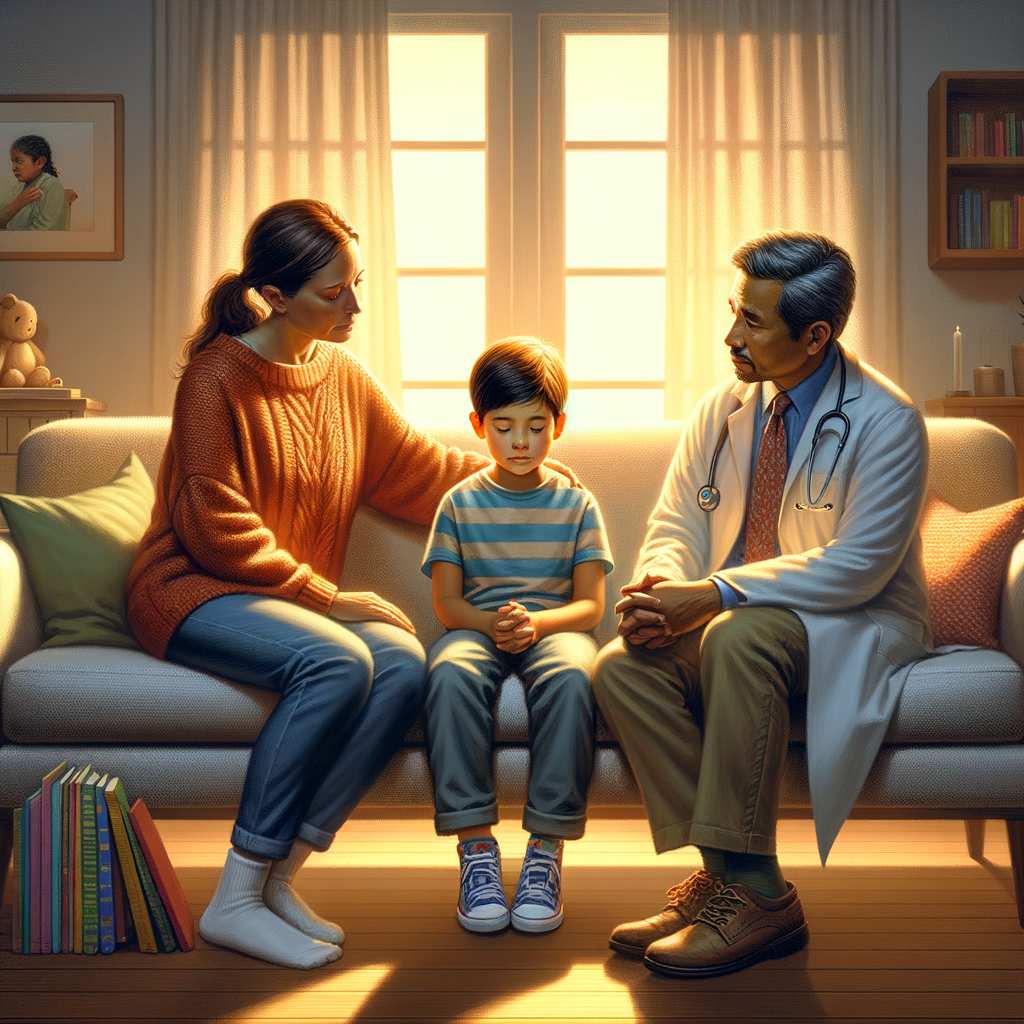
Not every child who shows one of these signs has a diagnosable condition—but persistent patterns deserve attention. Start with attentive listening: create a calm, nonjudgmental space where the child can express themselves. Document behaviors, durations, and contexts to share with professionals.
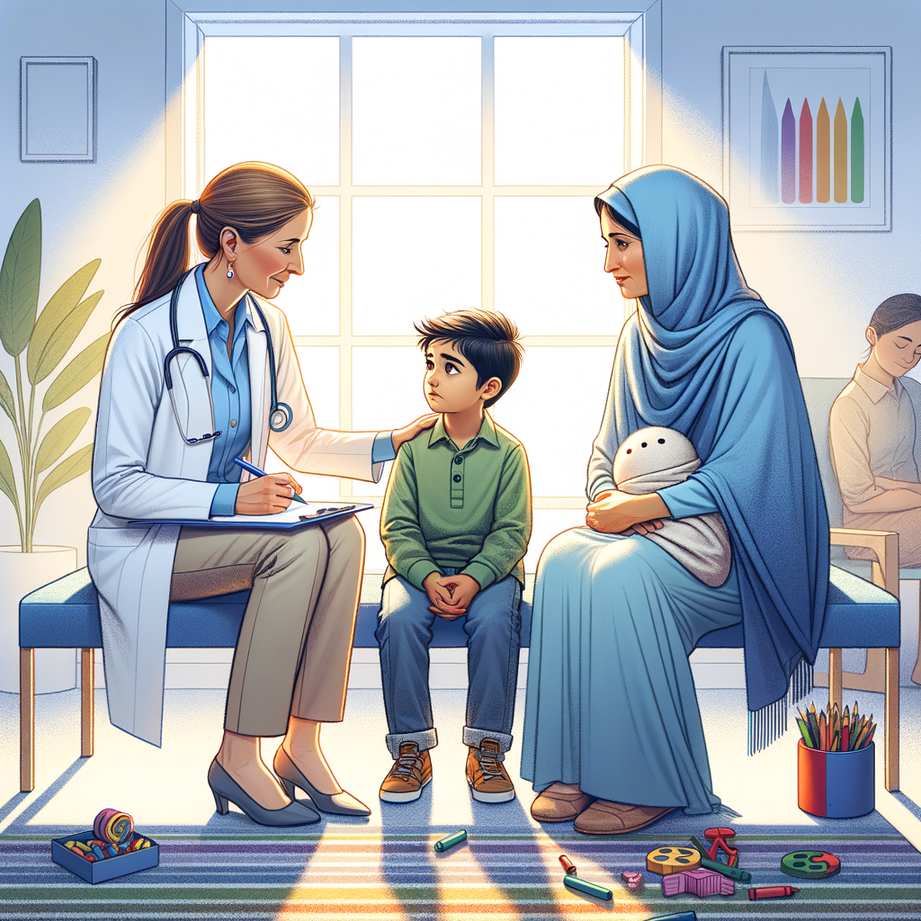
Reach out to your pediatrician, school nurse, or a child mental health specialist. For sleep-related concerns, a sleep clinic or neurologist experienced with pediatric sleep disorders can help. For mood or attention difficulties, child psychologists, psychiatrists, and behavioral therapists offer assessments and evidence-based interventions. Schools can provide accommodations and collaborate on support plans.
Hope, Treatment, and Self-Care
Early intervention matters. Many effective treatments and supports exist—behavioral therapies, structured routines, sleep interventions, educational accommodations, and, when appropriate, medication—each tailored to the child’s needs. Families often report meaningful improvements in daily life after proper diagnosis and care.
Caregivers should also practice self-care. Parenting a child with complex needs can be exhausting; seeking support groups, counseling, and respite matters. Model calm problem-solving, celebrate small successes, and remember that asking for help is a strength, not a failure.
Closing Encouragement
If you recognize some of these signs in a child you love, you are already taking an important first step by noticing. Compassionate observation, timely professional help, and consistent emotional support can change a child’s path. There is hope: with the right information and allies, children can learn to manage symptoms, build resilience, and thrive.
If you feel urgent concern for a child’s safety, contact emergency services or a crisis line in your area immediately. For non-urgent next steps, start with your pediatrician or a qualified mental health professional—help is available, and you do not need to face this alone.
Advertisement
Read this next
-

- Psychology
- Hidden Signals: 10 Signs That ADHD, Narcolepsy, or Childhood Depression May Be Present
- Psychology; This article explains ten common signs that may indicate ADHD (attention-deficit/hyperactivity disorder), narcolepsy, or childhood depression. Written for parents, teachers, and caregivers, it clarifies overlapping symptoms, highlights when to
-
- Psychology
- Hidden Signals: 10 Red Flags for ADHD, Narcolepsy, and Childhood Depression
- Category: Psychology. This article outlines the top ten warning signs for three often-misunderstood childhood conditions—ADHD, narcolepsy, and childhood depression—offering clear, practical descriptions, compassionate guidance, and encouragement to seek p
-
- Psychology
- Hidden Signals: 10 Early Signs of ADHD, Narcolepsy, and Childhood Depression Every Caregiver Should Know
- This article outlines ten early warning signs that may point to attention-deficit/hyperactivity disorder (ADHD), narcolepsy, or childhood depression. Written for caregivers and educators, it explains observable behaviors, clarifies common misconceptions,
-
- Psychology
- Is It More Than Moodiness? 10 Signs of ADHD, Narcolepsy, and Childhood Depression
- This article identifies ten common signs that may indicate ADHD, narcolepsy, or childhood depression. Aimed at parents, caregivers, and educators, it explains behaviors to watch for, emphasizes the importance of early recognition, and offers encouragement


Advertisement
Related Article
-
- Psychology
- Attention, Sleep, Mood: 10 Telltale Signs of ADHD, Narcolepsy, and Childhood Depression
-
- Psychology
- Hidden Signals: 10 Signs of ADHD, Narcolepsy, and Childhood Depression You Shouldn't Ignore
-
- Psychology
- When Minds Wander and Hearts Withdraw: 10 Signs of ADHD, Narcolepsy, and Childhood Depression
-
- Psychology
- Quiet Signals: 10 Early Signs of ADHD, Narcolepsy, and Depression in Children
-
- Psychology
- Spotting Signals: 10 Key Signs of ADHD, Narcolepsy, and Childhood Depression
-
- Psychology
- When Restlessness, Sleepiness or Sadness Hide: 10 Signs of ADHD, Narcolepsy & Childhood Depression




Advertisement